
News
DHL Express in the Netherlands Strikes Again
For the second week running, DHL Express workers in the Netherlands have walked off the job over a stalled collective labour agreement. Here is what is happening — and why it is a reminder that carrier dependency is a real business risk.
Johan de Grijff, Commercial Director3 min read
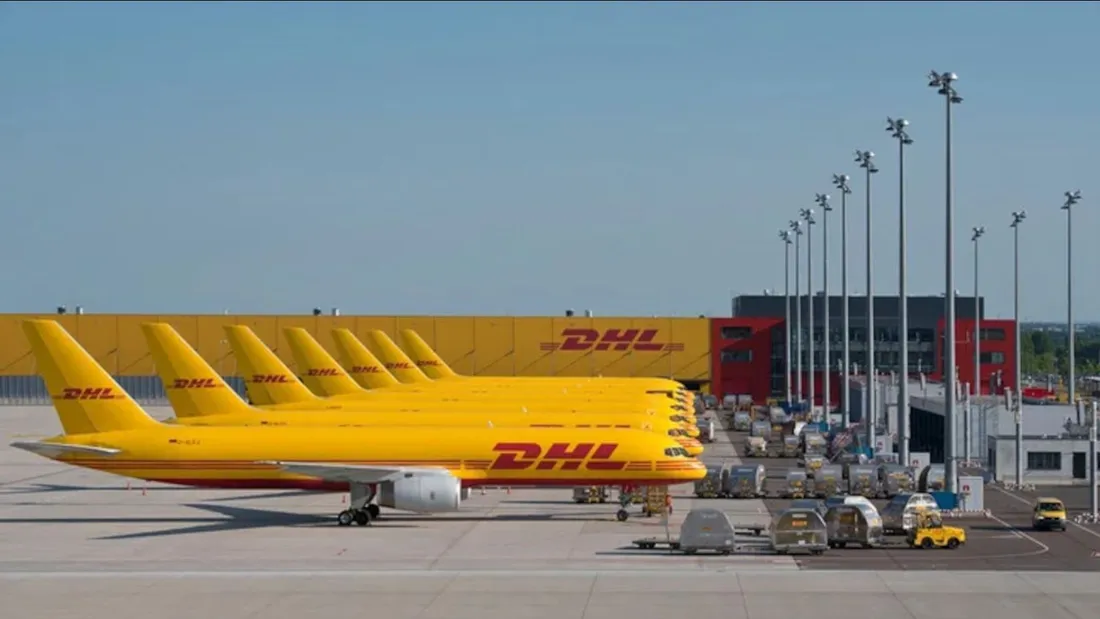
On 23 March 2026, employees of DHL Express went on strike for the second time in as many weeks. Workers at multiple locations across southern Netherlands — including Breda, Rotterdam, and Eindhoven — stopped work for the full day, responding to a call from trade union FNV.
The dispute centres on a proposed collective labour agreement (cao) that DHL Express workers and their unions consider inadequate. The company has offered a 3.25% pay increase from 1 July 2026, followed by another 3% the following year. Unions argue this lags behind agreements reached at other DHL divisions, and criticise additional proposed changes including the removal of overtime premiums and limitations on sick pay continuation.
DHL Express has defended its position, calling its offer “a good and constructive proposal, both in absolute terms and compared to other cao agreements,” and called on unions to return to the table. The unions are not convinced. FNV official Jacqueline Lohle was direct: “DHL says they want to talk, but at the same time they say they won’t budge on our demands. In that case, negotiation has little point. If necessary, we’ll continue with actions.”
With no resolution in sight, further disruptions cannot be ruled out.
Impact on Shippers and End Customers
DHL Express focuses specifically on urgent document and parcel deliveries to businesses. With around 2,000 employees and operations at strategic distribution hubs across the Netherlands, even a one-day stoppage at key locations creates a ripple effect.
If your company uses DHL Express for time-sensitive B2B shipments — spare parts, documents, samples, urgent orders — you may already have experienced delays. And because businesses further down the supply chain also depend on DHL Express deliveries, the knock-on effects can extend well beyond direct customers.
The Broader Lesson: Single-Carrier Dependency Is a Vulnerability
Strike action is one of several disruptions that can take a carrier offline at short notice. Capacity issues, IT outages, bad weather, or sudden contractual changes can have the same effect. When your logistics operation depends heavily on a single carrier, any one of these events becomes a crisis.
This is not a new insight — but it is one that gets relearned every time a carrier disruption hits an unprepared operation.
The businesses that manage these moments best are the ones that have already built carrier flexibility into their setup: multiple active carriers, the ability to route shipments dynamically based on availability and service level, and full visibility across all of them in one place.
How Viya Helps You Stay Resilient
Viya is designed for exactly this kind of situation. With Viya’s multi-carrier setup, you can connect new carriers quickly — often within minutes — and switch volumes between them based on performance, availability, or cost. You always have a clear picture of what is moving, with which carrier, and what is at risk.
When one carrier goes down, your operation does not have to.
→ See how Viya’s carrier management works
Source: AD.nl — Mogelijk langer wachten op pakket: spoedbezorgers DHL staken vandaag opnieuw (23 March 2026)
Keep reading
 News
News,
Fuel Costs Are Surging. Freight Rates Are Catching Up Slowly
Diesel prices in Europe have jumped more than 30% in weeks, driven by the current unrest in Iran. But spot freight rates are only starting to follow. Logistics directors need to understand the lag — and prepare for what comes next.
Johan de Grijff, Commercial Director
 News
News,
DPD and GLS Launch "Inboxx": What Carrier Consolidation Means for European Shippers
DPD and GLS have launched Inboxx, a shared brand for their joint out-of-home parcel network in Germany. With 20,000 OOH points targeted by 2027, this is the clearest sign yet that Europe's carrier landscape is reorganising around shared infrastructure — and it has direct consequences for how shippers manage their carrier mix.
Johan de Grijff, Commercial Director
 News
News,
Dachser Goes Emission-Free in 25 European Cities: What Green Logistics Looks Like in Practice
Dachser now delivers emission-free in 25 cities across 10 countries, using electric trucks, cargo bikes, and hydrogen vehicles. Here's what it means for the groupage market.
Johan de Grijff, Commercial Director